

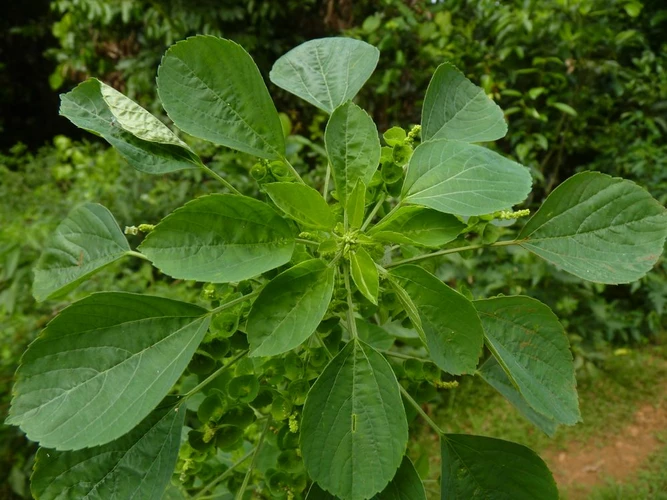
While the world has recently discovered the power of traditional botanicals, certain healing herbs have remained regional secrets, cherished by local communities for generations. Katupila (Acalypha indica), a cornerstone of Sri Lankan and South Asian herbal medicine, is one such treasure. This unassuming plant, growing wild across tropical landscapes, holds remarkable healing properties that modern science is only beginning to fully appreciate. From immune support to digestive wellness, Katupila offers a comprehensive approach to health rooted in centuries of traditional wisdom.
What is Katupila?
Botanical Name: Acalypha indica
Katupila, scientifically known as Acalypha indica, is a small, erect annual herb belonging to the Euphorbiaceae family. Known by various names across different regions—including Indian acalypha, Indian nettle, and “Kuppaimeni” in Tamil—this versatile plant thrives in tropical and subtropical climates throughout Asia.
Physical Characteristics
The Katupila plant is easily recognizable by its:
- Height: Typically growing 30-60 cm tall
- Leaves: Ovate, serrated edges with a distinctive pointed tip
- Flowers: Tiny, greenish flowers arranged in dense axillary spikes
- Appearance: Reddish stems with a characteristic aromatic scent
While the entire plant possesses medicinal value, the leaves are most commonly used in traditional preparations, though roots and flowers also have therapeutic applications.
A Treasured Herb in Traditional Medicine
Katupila is a treasured herb in Sri Lankan and South Asian herbal traditions, where it has been employed for countless generations to address a wide spectrum of health concerns.
Traditional Applications Across Cultures
In Sri Lankan Ayurveda:
- Used as a blood purifier and detoxifying agent
- Applied externally for various skin conditions
- Prepared as decoctions for respiratory support
- Incorporated into formulas for digestive balance
In Indian Traditional Medicine:
- Recognized in Siddha and Ayurvedic pharmacopeias
- Traditionally used for respiratory wellness
- Applied as poultices for external comfort
- Valued for its detoxifying properties
In Southeast Asian Folk Medicine:
- Used for general wellness and vitality
- Incorporated into traditional bathing rituals
- Applied in various topical preparations
- Consumed as herbal teas and tonics
This cross-cultural validation speaks to Katupila’s genuine therapeutic value, tested and refined through centuries of empirical use.
The Science of Katupila: Active Compounds
Modern phytochemical analysis has revealed why Katupila has remained a staple in traditional medicine. The plant contains a rich array of bioactive compounds, including flavonoids, tannins, and alkaloids, which contribute to its antioxidant, anti-inflammatory, and antimicrobial properties.
Key Phytochemical Components
1. Flavonoids
These powerful plant compounds are responsible for many of Katupila’s health benefits:
- Antioxidant Activity: Neutralizing harmful free radicals
- Anti-inflammatory Effects: Supporting balanced inflammatory response
- Vascular Support: Promoting healthy circulation
- Immune Modulation: Supporting optimal immune function
2. Tannins
These astringent compounds provide:
- Antimicrobial Properties: Natural defense against harmful microorganisms
- Wound Healing Support: Promoting tissue repair when applied topically
- Digestive Balance: Supporting healthy gut function
- Antioxidant Benefits: Additional cellular protection
3. Alkaloids
These nitrogen-containing compounds contribute to:
- Physiological Balance: Supporting various body systems
- Antimicrobial Action: Providing natural protective properties
- Traditional Therapeutic Effects: Contributing to overall wellness
4. Additional Compounds
Research has also identified:
- Essential oils: Contributing to aromatic and therapeutic properties
- Steroids and triterpenoids: Supporting various physiological functions
- Phenolic compounds: Enhancing antioxidant capacity
- Saponins: Supporting immune function and overall vitality
This complex phytochemical profile explains Katupila’s multifaceted therapeutic applications and validates its traditional uses.
Key Benefits of Katupila
1. Supports Immune Health and Systemic Balance
In our modern world, where immune challenges are constant, Katupila offers valuable natural support for the body’s defense systems.
How Katupila Supports Immunity:
- Antimicrobial Properties: The combination of flavonoids, tannins, and alkaloids provides natural protection against various microorganisms
- Antioxidant Defense: Protects immune cells from oxidative stress, maintaining their effectiveness
- Anti-inflammatory Balance: Supports healthy inflammatory response, crucial for optimal immune function
- Systemic Support: Works holistically to maintain overall physiological balance
Traditional practitioners have long recognized Katupila’s ability to strengthen the body’s natural defenses, making it a go-to herb during seasonal challenges and for maintaining year-round wellness.
2. Traditionally Used for Digestive and Skin Wellness
Two of Katupila’s most celebrated traditional applications involve digestive and dermatological health.
Digestive Support:
Traditional use of Katupila for digestive wellness includes:
- Gentle Digestive Aid: Supporting comfortable digestion
- Gut Balance: Promoting healthy intestinal environment
- Occasional Discomfort Relief: Traditionally used for temporary digestive upset
- Detoxification Support: Assisting the body’s natural cleansing processes
In traditional practice, Katupila leaf decoctions have been consumed to support digestive comfort and maintain gut health.
Skin Wellness:
Katupila’s external application has a rich history:
- Topical Comfort: Applied as paste or wash for various skin concerns
- Antimicrobial Protection: Supporting skin’s natural defense barrier
- Soothing Properties: Providing comfort to irritated skin
- Traditional Beauty Rituals: Used to promote healthy, radiant skin
The plant’s anti-inflammatory and antimicrobial properties make it particularly valuable for maintaining skin health and comfort.
3. Contains Natural Compounds That Aid in Overall Vitality
Beyond specific applications, Katupila’s comprehensive phytochemical profile supports general wellness and vitality in multiple ways:
Antioxidant Protection:
- Combats oxidative stress throughout the body
- Supports cellular health and longevity
- Protects against environmental challenges
- Promotes healthy aging
Anti-inflammatory Support:
- Maintains balanced inflammatory response
- Supports joint and tissue comfort
- Promotes recovery and resilience
- Enhances overall well-being
Detoxification:
- Supports the body’s natural cleansing processes
- Promotes healthy liver function
- Assists in elimination of metabolic waste
- Contributes to overall systemic balance
Energy and Vitality:
- Traditionally valued as a rejuvenating tonic
- Supports sustained energy throughout the day
- Promotes mental clarity and focus
- Enhances overall sense of well-being
4. Versatile Therapeutic Applications
Traditional healers have employed Katupila for a remarkably diverse range of applications:
- Respiratory Support: Traditional use for maintaining clear, comfortable breathing
- Urinary Wellness: Supporting healthy urinary system function
- Women’s Health: Incorporated into traditional formulas for female wellness
- Oral Health: Used in traditional mouth rinses and dental care
- General Wellness: Consumed as a tonic for overall health maintenance
This versatility reflects the herb’s holistic action and comprehensive phytochemical profile.
Forms and Preparations: How to Use Katupila
Katupila is suitable for teas, powders, and botanical extracts, offering flexibility to match various preferences and needs.
1. Katupila Tea (Decoction)
The traditional and most common method of consumption:
Preparation:
- Use 1-2 teaspoons of dried Katupila leaves
- Boil in 1-2 cups of water for 10-15 minutes
- Strain and consume warm
- Can be sweetened with honey if desired
Benefits:
- Gentle, traditional approach
- Easy absorption of water-soluble compounds
- Ritual aspect supports mindful wellness
- Can be consumed 1-2 times daily
Best For: Digestive support, immune wellness, general health maintenance
2. Katupila Powder
Dried and powdered leaves offer convenience and versatility:
Uses:
- Mixed into warm water or milk
- Added to smoothies or juices
- Incorporated into herbal formulations
- Used for external applications (paste)
Typical Dosage: 1-3 grams (approximately ½ to 1 teaspoon) daily
Benefits:
- Concentrated form
- Longer shelf life
- Versatile applications
- Easy to measure and store
Best For: Those seeking convenience, external applications, blending with other herbs
3. Botanical Extracts and Tinctures
Concentrated liquid preparations preserve the full spectrum of active compounds:
Types:
- Water Extracts: Traditional decoctions concentrated further
- Alcohol Tinctures: Preserve both water and fat-soluble compounds
- Glycerites: Alcohol-free option using vegetable glycerin
Benefits:
- Highly concentrated
- Long shelf life
- Precise dosing
- Quick absorption
Best For: Therapeutic applications, those unable to consume large volumes of tea
4. External Applications
Traditional topical preparations include:
Fresh Leaf Paste:
- Crush fresh leaves with a small amount of water
- Apply directly to skin
- Use for traditional skin support
Infused Oil:
- Macerate leaves in carrier oil
- Use for massage or topical application
- Traditional use for joint and muscle comfort
Bath Preparations:
- Add decoction to bath water
- Traditional ritual for overall wellness
- Supports skin health
Choosing Quality Katupila Products
To ensure you receive the full benefits of this traditional herb, quality matters:
Quality Markers:
- Source Verification: Preferably wild-harvested or organically cultivated in traditional regions
- Part Used: Clearly specified (usually leaves for optimal benefit)
- Processing Method: Traditional or low-temperature drying to preserve active compounds
- Purity: Free from pesticides, heavy metals, and contaminants
- Freshness: Recent harvest with proper storage
- Third-Party Testing: Verification of identity and purity
Sustainable and Ethical Considerations:
- Wild-Harvesting Practices: Ensure sustainable collection that doesn’t deplete natural populations
- Fair Trade: Support for local harvesters and traditional communities
- Organic Certification: When cultivated, organic methods preserve both plant potency and environmental health
- Traditional Knowledge: Products that honor and compensate traditional knowledge holders
Incorporating Katupila Into Your Wellness Routine
Daily Wellness Protocol
Morning Ritual:
- Start your day with Katupila tea to support digestive function
- Provides gentle detoxification to begin the day fresh
- Supports sustained energy and immune resilience
Evening Practice:
- Gentle cup of Katupila tea promotes relaxation
- Supports overnight detoxification processes
- Contributes to overall systemic balance
Seasonal Support
During Immune Challenges:
- Increase frequency to 2-3 cups of tea daily
- Combine with other immune-supporting herbs
- Maintain consistency for best results
Digestive Support:
- Consume 20-30 minutes before meals
- Combine with digestive spices like ginger or fennel
- Use as part of periodic cleansing protocols
Complementary Wellness Practices
Maximize Katupila’s benefits by integrating it with:
- Balanced Nutrition: Whole foods, abundant vegetables, adequate hydration
- Regular Movement: Physical activity supporting circulation and vitality
- Stress Management: Meditation, yoga, or other relaxation practices
- Adequate Sleep: Quality rest for immune function and cellular repair
- Mindful Living: Reducing exposure to environmental toxins
- Community Connection: Social support enhances all wellness efforts
Traditional Wisdom Meets Modern Science
Growing Research Interest
While Katupila has been used traditionally for centuries, modern scientific research is beginning to validate these traditional applications:
Recent Studies Have Explored:
- Antimicrobial activity against various pathogens
- Antioxidant capacity and free radical scavenging
- Anti-inflammatory mechanisms
- Wound healing properties
- Hepatoprotective (liver-protecting) effects
- Potential applications in metabolic health
The Value of Traditional Knowledge
Scientific research often confirms what traditional healers have known for generations. The empirical testing through centuries of use provides a valuable foundation that modern research builds upon.
This integration of traditional wisdom and scientific validation creates a comprehensive understanding that honors both ancient knowledge and contemporary evidence standards.
Safety and Considerations
Katupila enjoys a long history of traditional use with a generally favorable safety profile when used appropriately.
General Safety:
- Well-tolerated by most individuals when used in traditional amounts
- Mild digestive herbs are generally gentle on the system
- External applications are traditionally safe for most skin types
Recommended Precautions:
Pregnancy and Nursing:
- Consult healthcare provider before use
- Some traditional sources suggest avoiding during pregnancy
- Limited safety data available for this population
Children:
- Traditionally used in pediatric applications in some cultures
- Use reduced dosages appropriate to body weight
- Consult healthcare provider for guidance
Existing Health Conditions:
- Those with serious health conditions should consult healthcare providers
- May interact with certain medications
- Medical supervision recommended if combining with pharmaceutical treatments
Allergies:
- As with any plant, allergic reactions are possible
- Start with small amounts to assess individual tolerance
- Discontinue if any adverse reactions occur
Best Practice:
Always source from reputable suppliers, start with conservative amounts, and consult qualified healthcare practitioners, especially if you have existing health concerns or take medications.
The Cultural Significance of Katupila
Beyond its medicinal properties, Katupila holds cultural importance in the regions where it’s traditionally used.
In Traditional Communities:
- Accessible Medicine: Growing wild in many areas, it represents healthcare accessibility
- Cultural Heritage: Knowledge passed through generations maintains cultural continuity
- Community Practice: Gathering and preparing herbs strengthens community bonds
- Sustainable Healthcare: Represents environmentally sustainable medical practice
Preservation of Traditional Knowledge:
As modern medicine dominates healthcare worldwide, preserving traditional botanical knowledge becomes increasingly important. Herbs like Katupila represent:
- Biodiversity conservation
- Cultural heritage maintenance
- Alternative healthcare options
- Sustainable medical resources
- Connection to ancestral wisdom
Why Choose Katupila?
In a marketplace saturated with imported superfoods and trending supplements, why should you consider this traditional South Asian herb?
Time-Tested: Centuries of traditional use across multiple cultures
Scientifically Supported: Growing body of research validating traditional applications
Multifunctional: Comprehensive benefits for various body systems
Sustainable: Readily growing plant with minimal environmental impact
Accessible: Available in multiple convenient forms
Holistic: Addresses root causes rather than just symptoms
Culturally Rich: Connects you to ancient healing traditions
Conclusion: Discovering Hidden Botanical Treasures
In our globalized world, it’s easy to overlook regional healing traditions in favor of widely marketed supplements. Yet some of nature’s most potent medicines remain local secrets, cherished by the communities that have depended on them for generations.
Katupila (Acalypha indica) represents exactly this kind of hidden treasure—a powerful, versatile herb that has sustained the health of Sri Lankan and South Asian communities for centuries. Its rich phytochemical profile, including flavonoids, tannins, and alkaloids, provides antioxidant, anti-inflammatory, and antimicrobial properties that support immune health, digestive wellness, skin vitality, and overall systemic balance.
Whether you’re seeking natural immune support, digestive comfort, or simply exploring the diverse world of traditional botanicals, Katupila offers a compelling option grounded in both ancestral wisdom and emerging scientific validation.
By choosing Katupila, you’re not just selecting a supplement—you’re participating in the preservation of traditional knowledge, supporting sustainable botanical practices, and connecting with healing wisdom that has stood the test of time.
Embrace Traditional Wisdom, Experience Modern Wellness
The path to optimal health doesn’t always require the latest trending supplement or cutting-edge pharmaceutical. Sometimes, the most profound healing comes from plants that have quietly served humanity for centuries, waiting to be rediscovered.
Katupila is one such plant—humble in appearance, yet powerful in effect. Experience this Sri Lankan treasure and discover why generations have turned to this remarkable herb for immune support, digestive wellness, and overall vitality.
Your wellness journey awaits. Ancient wisdom. Natural healing. Timeless vitality.
