

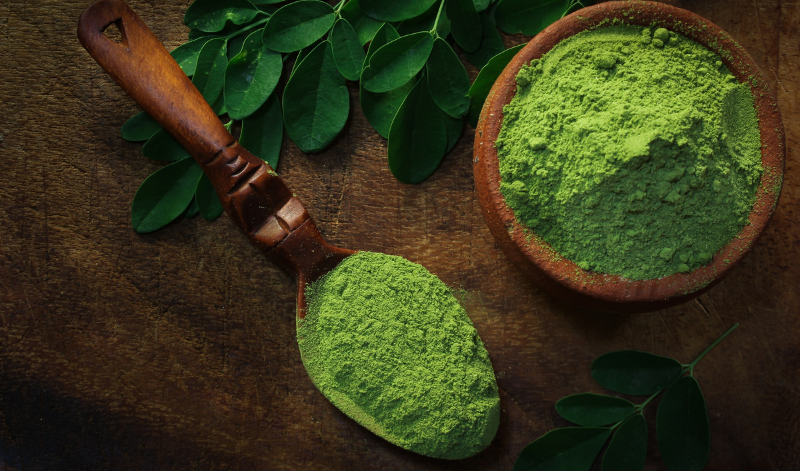
In a world where nutritional deficiencies persist despite food abundance, and synthetic supplements dominate the wellness market, nature offers a remarkably simple solution. Moringa (Moringa oleifera), often called the “Miracle Tree” or “Tree of Life,” stands as one of the most nutritionally complete plants on Earth. This unassuming tree, thriving in tropical and subtropical regions, has sustained communities for thousands of years, providing not just nutrition but comprehensive wellness support. Today, as the world rediscovers the power of whole-food nutrition, Moringa is emerging as a true superfood that delivers on its promises.
What is Moringa?
Botanical Name: Moringa oleifera
Moringa oleifera is a fast-growing, drought-resistant tree belonging to the Moringaceae family. Native to the sub-Himalayan regions of India, Pakistan, Bangladesh, and Afghanistan, this remarkable tree now flourishes across tropical and subtropical zones worldwide, from Africa to Southeast Asia, South America, and beyond.
Physical Characteristics
The Moringa tree is visually distinctive:
- Height: Can grow 10-12 meters (30-40 feet) tall
- Leaves: Delicate, compound leaves with small, oval leaflets
- Flowers: Fragrant, cream-colored blossoms
- Pods: Long, slender “drumstick” pods (giving it another common name)
- Growth: Remarkably fast-growing, reaching maturity within months
The Complete Nutrition Tree
What makes Moringa truly exceptional is that nearly every part of the tree is edible and nutritious:
- Leaves: The most nutrient-dense part, used fresh, dried, or powdered
- Pods: Consumed as vegetables when young and tender
- Seeds: Eaten roasted or used for oil extraction and water purification
- Flowers: Edible and used in traditional dishes
- Roots: Used medicinally in traditional systems (though requiring caution)
- Bark: Employed in traditional medicine
However, it is the leaves that are particularly valued for their phytonutrients and constitute the primary focus of nutritional and wellness applications.
Nutritional Powerhouse: Understanding Moringa’s Density
Moringa is renowned for its nutritional density, offering a rich source of vitamins, minerals, and antioxidants in concentrations that rival or exceed many common foods and even some supplements.
Remarkable Nutritional Comparisons
When comparing gram-for-gram dried Moringa leaf powder to common nutrient sources:
Vitamin Content:
- 7x the vitamin C of oranges
- 4x the vitamin A of carrots
- Significant B vitamins including B1, B2, B3, and B6
- Vitamin E for antioxidant protection
- Vitamin K for bone health and blood clotting
Mineral Abundance:
- 4x the calcium of milk
- 3x the potassium of bananas
- 25x the iron of spinach
- Significant magnesium for over 300 enzymatic processes
- Zinc for immune function and cellular health
- Phosphorus for bone and cellular health
Protein Profile:
- Contains all nine essential amino acids, making it a complete protein
- 2x the protein of yogurt (gram-for-gram)
- Particularly valuable for plant-based diets
Additional Nutrients:
- Chlorophyll for detoxification support
- Omega-3 and Omega-6 fatty acids in balanced ratios
- Fiber for digestive health
- Antioxidants including quercetin, chlorogenic acid, and beta-carotene
This comprehensive nutritional profile explains why Moringa has been called “nature’s multivitamin.”
The Phytonutrient Advantage
Beyond basic vitamins and minerals, Moringa’s leaves are loaded with beneficial plant compounds—phytonutrients—that provide additional health benefits.
Key Phytonutrients in Moringa
1. Polyphenols
- Powerful antioxidants that protect cells from damage
- Support cardiovascular health
- Contribute to anti-inflammatory effects
2. Flavonoids
- Including quercetin, known for antihistamine properties
- Support immune function
- Provide cellular protection
3. Isothiocyanates
- Support detoxification processes
- Provide antimicrobial properties
- May support metabolic health
4. Chlorogenic Acid
- May help balance blood sugar levels
- Provides antioxidant protection
- Supports healthy metabolism
5. Beta-Carotene
- Precursor to vitamin A
- Supports vision, skin, and immune health
- Powerful antioxidant
This synergistic combination of nutrients and phytonutrients provides benefits that isolated supplements simply cannot replicate—a testament to the wisdom of whole-food nutrition.
Key Benefits of Moringa
1. Supports Energy Levels and Immune Function
In our demanding modern lives, sustained energy and robust immunity are essential for thriving. Moringa addresses both through its comprehensive nutritional profile.
Energy Support Mechanisms:
Unlike stimulants that provide temporary energy followed by crashes, Moringa supports sustained vitality through:
- Complete B-Vitamin Complex: Essential for converting food into cellular energy
- Iron Content: Prevents fatigue related to iron deficiency, particularly important for women and plant-based eaters
- Magnesium: Critical for energy production at the cellular level
- Complete Protein: Provides sustained fuel without blood sugar spikes
- Adaptogenic Properties: Helps the body maintain energy during stress
Immune Function Enhancement:
Moringa’s immune-supporting properties are multifaceted:
- Vitamin C: Powerful immune booster present in exceptional concentrations
- Vitamin A: Essential for mucosal immunity (your first line of defense)
- Zinc: Critical mineral for immune cell function
- Antioxidants: Protect immune cells from oxidative damage
- Antimicrobial Compounds: Isothiocyanates provide natural defense support
- Anti-inflammatory Properties: Balanced immune response requires inflammation control
This dual action—providing both energy and immune support—makes Moringa particularly valuable for busy individuals, parents, athletes, and anyone navigating stress-filled lifestyles.
2. Provides Antioxidant Protection
In today’s world, our bodies face constant assault from free radicals generated by pollution, processed foods, stress, and normal metabolism. Antioxidants are our cellular defense system, and Moringa delivers them in abundance.
Antioxidant Capacity:
Research has identified over 46 different antioxidants in Moringa leaves, making it one of the most antioxidant-rich plants known.
Key Antioxidant Benefits:
- Cellular Protection: Neutralizes free radicals that damage DNA, proteins, and lipids
- Anti-Aging Support: Protects against oxidative stress that accelerates aging
- Cardiovascular Health: Prevents oxidation of cholesterol, a key factor in heart health
- Skin Health: Protects skin cells from environmental damage
- Cognitive Support: Protects brain cells from oxidative damage
- Chronic Disease Prevention: Oxidative stress underlies many chronic conditions
Synergistic Antioxidant Action:
Moringa’s antioxidants work together synergistically:
- Vitamin C regenerates vitamin E
- Beta-carotene provides fat-soluble protection
- Polyphenols offer broad-spectrum cellular defense
- Chlorophyll supports detoxification of oxidative compounds
This comprehensive antioxidant profile provides protection far beyond what isolated antioxidant supplements can achieve.
3. Packed with Vitamin C, Vitamin A, Calcium, and Iron
While Moringa contains dozens of nutrients, four stand out for their concentration and health significance.
Vitamin C
Content: 7 times more than oranges (per gram)
Benefits:
- Immune system powerhouse
- Collagen production for skin, joints, and tissues
- Enhanced iron absorption
- Powerful antioxidant
- Wound healing support
- Mood and cognitive function
Vitamin A (as Beta-Carotene)
Content: 4 times more than carrots (per gram)
Benefits:
- Vision health and night vision
- Immune function, especially mucosal immunity
- Skin health and cellular regeneration
- Reproductive health
- Antioxidant protection
Calcium
Content: 4 times more than milk (per gram)
Benefits:
- Bone and teeth health
- Muscle contraction and relaxation
- Nerve signal transmission
- Cardiovascular function
- Enzyme activation
- Plant-based calcium source for those avoiding dairy
Iron
Content: 25 times more than spinach (per gram)
Benefits:
- Oxygen transport in blood
- Energy production
- Cognitive function
- Immune support
- Particularly important for women, children, and plant-based diets
- Prevention of anemia and related fatigue
The Bioavailability Advantage:
These nutrients aren’t just present in high amounts—they’re also in forms that the body can readily absorb and use, especially when consumed as whole-food powder rather than isolated supplements.
4. Comprehensive Wellness Support
Beyond the highlighted nutrients, Moringa’s complete profile supports virtually every body system:
Digestive Health:
- Fiber for regularity
- Anti-inflammatory properties for gut comfort
- Antimicrobial compounds for gut flora balance
- Supports healthy digestion
Cardiovascular Support:
- Potassium for blood pressure balance
- Antioxidants prevent cholesterol oxidation
- Anti-inflammatory compounds support vascular health
- Magnesium for heart rhythm
Metabolic Health:
- Chlorogenic acid may support healthy blood sugar
- Complete nutrition prevents nutrient-driven cravings
- Supports healthy weight management
- Provides sustained energy without sugar crashes
Cognitive Function:
- B-vitamins for neurotransmitter production
- Antioxidants protect brain cells
- Iron and vitamin C support oxygen delivery to the brain
- Traditional use as brain tonic
Detoxification:
- Chlorophyll supports natural cleansing
- Antioxidants neutralize toxins
- Supports liver function
- Promotes healthy elimination
Beauty and Aging:
- Vitamin C for collagen production
- Vitamin A for skin renewal
- Antioxidants prevent premature aging
- Complete nutrition for hair, skin, and nail health
Traditional Uses Across Cultures
Moringa’s use spans thousands of years across multiple traditional medicine systems.
In Ayurvedic Medicine
Known as “Shigru,” Moringa has been used in Ayurveda for over 5,000 years:
- Classified as warming and pungent
- Used to balance Vata and Kapha doshas
- Traditional applications for joint health
- Employed for digestive support
- Valued for its rejuvenating properties
In African Traditional Medicine
Across the African continent where Moringa thrives:
- Consumed to combat malnutrition
- Used by nursing mothers to increase milk production
- Traditional remedy for various ailments
- Community food security crop
- Sustainable nutrition source during food scarcity
In Filipino Traditional Practice
Known as “Malunggay”:
- Essential ingredient in nutritious soups
- Given to new mothers for postpartum recovery
- Used in children’s nutrition
- Traditional tonic for energy and vitality
This cross-cultural validation demonstrates Moringa’s universal value as both food and medicine.
Forms and Applications: How to Use Moringa
Moringa is perfect for powders, teas, and extracts, providing flexibility to suit different lifestyles and preferences.
1. Moringa Powder
The most popular and versatile form:
How It’s Made:
- Fresh Moringa leaves are harvested
- Dried at low temperatures to preserve nutrients
- Ground into fine, vibrant green powder
- Stored in airtight containers to maintain freshness
How to Use:
- Smoothies: Add 1-2 teaspoons to any smoothie
- Juices: Mix into fresh vegetable or fruit juice
- Water: Stir into plain or lemon water
- Oatmeal or Porridge: Mix into breakfast cereals
- Soups: Add to broths and soups near end of cooking
- Energy Balls: Incorporate into raw desserts and snacks
- Baking: Add to muffins, breads, or pancakes (though heat reduces some nutrients)
Recommended Dosage: 1-2 teaspoons (3-6 grams) daily
Benefits:
- Maximum nutrient density
- Versatile applications
- Long shelf life when properly stored
- Cost-effective
- Easy to adjust dosage
Best For: Those seeking comprehensive nutrition, smoothie enthusiasts, families
2. Moringa Tea
A gentler, ritual-based approach:
Preparation:
- Use 1-2 teaspoons of dried Moringa leaves or powder
- Steep in hot (not boiling) water for 5-10 minutes
- Strain if using whole leaves
- Enjoy plain or with lemon and honey
Flavor Profile:
- Mild, slightly earthy taste
- Gentle grassy notes
- Pleasant when combined with other herbs
Benefits:
- Hydrating while nourishing
- Ritual aspect supports mindful wellness
- Gentler introduction for those new to Moringa
- Can be enjoyed throughout the day
Best For: Tea lovers, those preferring gentler forms, hydration-focused individuals
3. Moringa Capsules
For ultimate convenience:
Characteristics:
- Pre-measured doses of Moringa powder
- Typically 500-1000mg per capsule
- Bypass taste for those who prefer
Dosage: Usually 2-4 capsules daily (follow product recommendations)
Benefits:
- Travel-friendly
- No taste considerations
- Precise dosing
- Quick and convenient
Best For: Busy professionals, travelers, those sensitive to taste
4. Moringa Extracts and Tinctures
Concentrated liquid preparations:
Types:
- Water-based extracts
- Alcohol-based tinctures
- Glycerites (alcohol-free)
Benefits:
- Concentrated nutrition
- Quick absorption
- Long shelf life
- Precise dosing
Best For: Therapeutic applications, those unable to consume large volumes
5. Fresh Moringa Leaves
If you’re fortunate to have access:
Uses:
- Add to salads like any leafy green
- Incorporate into stir-fries and sautés
- Blend into pesto or sauces
- Juice with other vegetables
Benefits:
- Maximum nutrient availability
- Living enzymes intact
- Culinary versatility
Availability: Limited to tropical regions or those growing Moringa
6. Moringa Oil
Cold-pressed from Moringa seeds:
Applications:
- Skincare and beauty products
- Culinary oil (though expensive)
- Hair and scalp treatments
- Aromatherapy carrier oil
Benefits:
- Rich in oleic acid (like olive oil)
- Antioxidant skin protection
- Stable oil with long shelf life
Incorporating Moringa Into Your Daily Routine
Morning Energy Boost
Moringa Green Smoothie:
- 1 banana
- 1 cup spinach
- 1-2 teaspoons Moringa powder
- 1 tablespoon nut butter
- 1 cup plant milk or water
- Ice as desired
Blend and enjoy a nutrient-packed start to your day.
Afternoon Pick-Me-Up
Golden Moringa Latte:
- 1 cup warm milk (dairy or plant-based)
- 1 teaspoon Moringa powder
- ½ teaspoon turmeric
- Pinch of black pepper
- Honey to taste
- Optional: cinnamon, ginger
A sustained energy lift without caffeine jitters.
Pre-Workout Fuel
Moringa Energy Water:
- 16 oz water
- 1-2 teaspoons Moringa powder
- Juice of ½ lemon
- Pinch of sea salt
- Optional: raw honey
Natural, sustained energy for physical performance.
Post-Workout Recovery
Moringa Protein Shake:
- 1 scoop plant or whey protein
- 1 teaspoon Moringa powder
- 1 cup berries
- 1 tablespoon chia seeds
- Liquid of choice
Complete nutrition for muscle recovery and replenishment.
Evening Nutrition
Moringa Soup Enhancement:
- Add 1 teaspoon Moringa powder to any soup
- Stir in just before serving (avoid prolonged heating)
- Enhances nutrition of any meal
Children’s Nutrition
Moringa Hot Chocolate:
- Warm milk
- 1 teaspoon cacao powder
- ½ teaspoon Moringa powder
- Honey or maple syrup
- Vanilla extract
Sneaking superfoods into kid-friendly treats.
Choosing Quality Moringa Products
Not all Moringa is created equal. Quality depends on cultivation, harvesting, processing, and storage.
Quality Indicators:
1. Organic Certification
- Ensures no pesticides or chemicals
- Protects both your health and the environment
- Often indicates better farming practices
2. Color and Freshness
- Vibrant, bright green color (not brown or dull)
- Fresh, slightly earthy aroma
- Recent harvest date
3. Processing Method
- Low-temperature drying preserves nutrients
- Shade-dried is traditional and effective
- Avoid products exposed to high heat
4. Source Transparency
- Know where your Moringa is grown
- Traditional growing regions (India, Africa, Philippines) often produce superior quality
- Ethical sourcing supports farming communities
5. Third-Party Testing
- Verification of purity
- Heavy metal screening
- Microbial testing
- Nutrient content validation
6. Packaging
- Airtight, light-protected containers
- Proper sealing to prevent oxidation
- Clear labeling with harvest/expiration dates
Red Flags to Avoid:
- Extremely cheap prices (indicates low quality)
- Brown or yellowish powder (oxidized or heat-damaged)
- Lack of origin information
- No organic certification
- Dusty or musty smell
- Clumping (indicates moisture exposure)
Complementary Nutritional Strategies
Moringa provides exceptional nutrition, but works best as part of a holistic approach:
Whole Foods Foundation:
- Abundant vegetables and fruits
- Quality protein sources
- Healthy fats
- Whole grains or other complex carbohydrates
Adequate Hydration:
- Water as primary beverage
- Herbal teas for variety
- Moringa can be part of hydration strategy
Mindful Eating:
- Eating with awareness
- Proper chewing and digestion
- Gratitude for nourishment
Lifestyle Factors:
- Regular physical activity
- Quality sleep
- Stress management
- Social connection
- Time in nature
Safety and Considerations
Moringa has an excellent safety profile with thousands of years of food use and extensive modern consumption.
General Safety:
- Recognized as safe when consumed in food amounts
- Well-tolerated by most individuals
- No significant side effects reported in typical use
- Can be consumed long-term
Special Considerations:
Pregnancy and Nursing:
- Leaf powder is traditionally used by pregnant and nursing women
- Root and bark should be avoided during pregnancy
- Consult healthcare provider for individual guidance
- May support milk production in nursing mothers
Medications:
- May enhance effects of blood sugar medications (monitor levels)
- Theoretical interaction with thyroid medications (contains compounds that may affect thyroid)
- May enhance effects of blood pressure medications
- Consult healthcare provider if taking medications
Thyroid Conditions:
- Contains compounds that may affect thyroid function
- Generally considered safe, but medical supervision recommended
- Monitor thyroid levels if using therapeutically
Starting Moringa:
- Begin with smaller amounts (½ teaspoon) and gradually increase
- Some may experience mild digestive adjustment initially
- Take with food if any digestive sensitivity occurs
Allergies:
- Rare but possible allergic reactions
- Discontinue if any adverse reactions occur
Environmental and Social Impact
Choosing Moringa supports more than personal health—it contributes to environmental sustainability and community development.
Environmental Benefits:
Sustainable Crop:
- Grows rapidly with minimal water
- Thrives in poor soil conditions
- Drought-resistant
- Minimal pest issues (less need for pesticides)
- Deep roots prevent erosion
Carbon Sequestration:
- Fast-growing trees capture significant CO2
- Contributes to reforestation efforts
- Can be integrated into agroforestry systems
Nutritional Efficiency:
- Produces more nutrition per acre than most crops
- Addresses food security efficiently
- Multiple harvests per year
Social Benefits:
Community Nutrition:
- Combats malnutrition in developing regions
- Provides accessible, affordable nutrition
- Can be grown in home gardens
Economic Opportunity:
- Provides income for small-scale farmers
- Creates processing and distribution jobs
- Fair-trade opportunities support communities
Education and Empowerment:
- Organizations teach Moringa cultivation
- Knowledge transfer empowers communities
- Creates sustainable livelihoods
The Science Continues to Evolve
Research into Moringa is accelerating, with studies exploring:
- Malnutrition Intervention: Using Moringa to address nutrient deficiencies globally
- Chronic Disease Support: Investigating applications for metabolic conditions
- Athletic Performance: Exploring endurance and recovery benefits
- Cognitive Health: Studying neuroprotective properties
- Water Purification: Using Moringa seeds for water treatment in developing regions
- Agricultural Applications: Moringa as sustainable animal feed
As understanding deepens, Moringa’s applications continue to expand.
Why Choose Moringa?
Nutritionally Complete: Contains vitamins, minerals, protein, antioxidants, and phytonutrients
Scientifically Validated: Extensive research supporting traditional uses
Sustainable: Environmentally friendly crop with positive social impact
Versatile: Multiple forms and applications for every lifestyle
Time-Tested: Thousands of years of safe, effective use
Whole Food: Complete nutrition in natural, bioavailable form
Global Impact: Your purchase supports farming communities and sustainability
Conclusion: Nature’s Most Complete Nutrition
In the search for optimal nutrition, we often overlook the simplest solutions. Moringa oleifera stands as testament to nature’s intelligence—a single plant providing such complete, balanced nutrition that it has sustained human health for millennia.
Whether you’re an athlete seeking enhanced performance, a parent wanting to boost family nutrition, someone following a plant-based diet, or simply seeking to fill nutritional gaps in a convenient, natural way, Moringa offers a compelling solution.
Packed with vitamin C, vitamin A, calcium, iron, complete protein, all essential amino acids, and over 46 antioxidants, Moringa isn’t just a supplement—it’s a whole-food powerhouse that supports energy levels, immune function, and comprehensive wellness.
In a world of synthetic supplements and isolated nutrients, Moringa reminds us that sometimes the best medicine is simply good food. Experience the miracle tree that has nourished humanity for thousands of years. Your journey to complete, natural nutrition begins with one simple green leaf.
Transform Your Nutrition, Naturally
One teaspoon. Complete nutrition. Ancient wisdom. Modern vitality.
Experience Moringa—nature’s multivitamin, delivered in the perfect form your body recognizes and absorbs. The miracle tree awaits.
